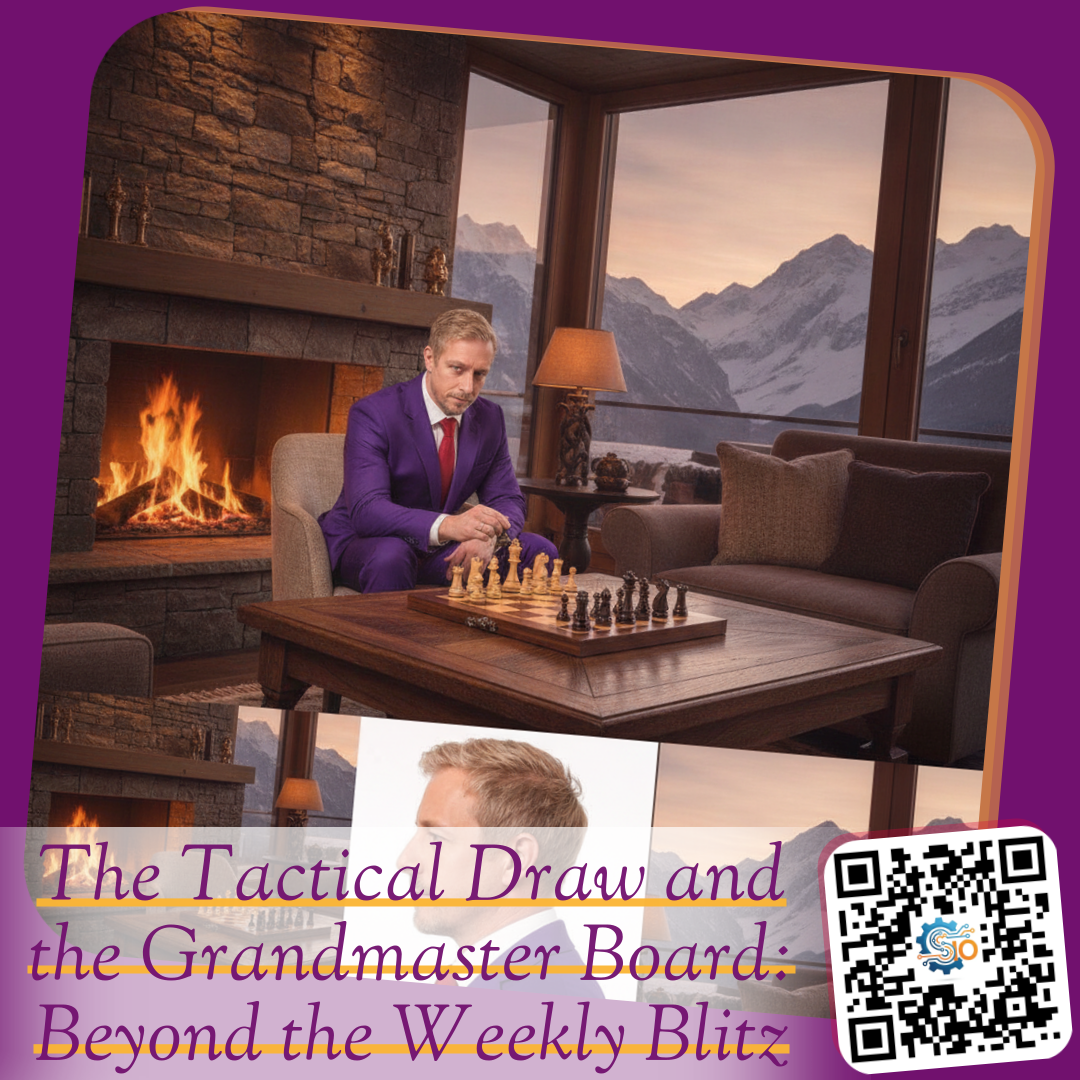
There is nothing quite like a quiet Sunday afternoon high up in the Swiss Alps. Outside my chalet windows, the peaks are already dusted with an uncompromising layer of fresh October snow, glistening under a sharp autumn sun. Sitting here by the roaring stone fireplace, tailored purple suit pressed, golden shoes resting comfortably on the cedar floor, I spent part of my morning watching the global sporting calendar unfold in real time. Across the channel, an electric atmosphere in the Premier League concluded with a fiercely contested Liverpool and Manchester City encounter that ended in a tactical draw. Across the Atlantic, millions are currently tuning into the NFL schedule today, dissecting pre-game strategies and waiting for Eagles and Jaguars blitzes to explode across their television screens.
Most spectators look at these clashes as the pinnacle of human strategy and high-stakes drama. We love the spectacle of a last-ditch tackle, an audacious counter-attack, or a quarterback scrambling under heavy pressure. Yet, if you step back from the glowing broadcast screens and look at the wider world, you realize these ninety-minute battles and sixty-minute gridiron wars are merely theatrical diversions. As I argued recently in Tactical Sacrifices and Global Zugzwang: The Great Diversion of 2026, what captures public attention is rarely where the true sovereign leverage is being decided.
The Illusion of the Pitch: Anfield, Lincoln Financial Field, and Controlled Friction
When Liverpool and Manchester City trade blows, the result often feels catastrophic or euphoric depending on which jersey you wear. A tactical draw is often framed by analysts as a lost opportunity or a point saved. In the NFL, commentators talk about blitz packages, edge rushers, and red-zone efficiency as if these maneuvers represent the peak of calculated risk. Watching the Eagles line up against the Jaguars, with defensive coordinators dialing up sudden pressure schemes, it is easy to become hypnotized by the kinetic violence and immediate urgency of the game.
Yet athletic contests are played within strictly defined artificial boundaries. The pitch has lines that do not move, the referee operates under a rulebook written down to the millimeter, and the final whistle brings guaranteed closure. In modern life, we gravitate toward these matches because they provide a tidy, sanitized version of combat. As I wrote in High Stakes Saturdays: From Gridiron Pressure to Algorithmic Power Plays, modern audiences crave high-intensity entertainment to distract themselves from the far more complex structural chess game unfolding in the shadows of the real economy.
A point shared on an English pitch or a fourth-quarter touchdown in an American stadium is nothing more than a minor piece trade. While the world debates offside calls and pass interference penalties, the actual chessboard of the twenty-first century is being reshuffled in regions most sports fans could not locate on a map.
Djibouti and the Eloquence of Strategic Silence
Consider the Horn of Africa. Perched on the Bab el-Mandeb strait, Djibouti occupies one of the most critical maritime chokepoints on the planet. Through this narrow body of water flows the lifeblood of global commerce, crude oil, container ships, and underwater fiber-optic cables connecting continents. It is a tiny nation that hosts foreign military bases from rival global superpowers, including the United States, China, and France, sitting within miles of one another in an uneasy, meticulously choreographed coexistence.
While Western media outlets burn countless hours debating referee decisions and tactical formations, Djibouti practices an extraordinary form of strategic silence. There are no dramatic press conferences, no emotional halftime adjustments, and no performative media posturing. There is only cold, calm sovereign leverage. By remaining the quiet gatekeeper to the Red Sea, Djibouti exercises a form of power that renders entire fleets cautious. In The October Shockwaves: From Panama Earthquakes to Global Chokepoints, we explored how single maritime choke corridors dictate the fate of global supply chains. When a nation sitting on a global bottleneck refuses to play into performative noise, its silence speaks louder than any stadium roar.
In classical chess, master players know that the threat is often stronger than the execution. Moving a piece creates a fixed reality, but maintaining an ambiguous, heavily guarded position forces every opponent to burn energy anticipating your next move. That is true statecraft, operating centuries beyond the sixty-minute clocks of our Sunday sports rituals.
The Ancient Authority of Pope Leo: Centuries Over Seconds
To truly grasp how small our weekly entertainment cycles are, we must look even further into deep time. Consider the historical memory embodied by Pope Leo the Great, who in the year 452 walked out onto the plains of northern Italy to meet Attila the Hun with no army, no physical artillery, and no tactical playbook. Armed only with moral authority, institutional presence, and deep spiritual conviction, he turned away an invading force that had broken imperial legions. Centuries later, Pope Leo XIII reshaped social philosophy with enduring encyclicals that confronted the raw power of the industrial machine.
That kind of authority does not operate on a weekly news cycle or an NFL schedule. It operates on the timeline of civilizations. When ancient institutions move, their decisions are calculated in decades and centuries, not broadcast quarters or four-minute injury times. Modern society suffers from an acute lack of institutional memory. We measure success in viral clips, quarterly profits, and weekend highlights, mistaking rapid activity for meaningful progress.
When you contrast that deep civilizational patience with the manic rush of modern sports commentary, the contrast is stark. The weekly blitz is frantic, noisy, and exhausted by Monday morning. Ancient authority, by contrast, moves like a tectonic plate, slow, quiet, and impossible to halt once set in motion.
Building Sovereign Systems in a World of Distraction
What does this mean for those of us striving for personal sovereignty and long-term autonomy? It means you must stop managing your life like an anxious coach calling timeouts under pressure, and start designing your existence like a grandmaster who understands the deep board.
Most entrepreneurs and professionals exhaust themselves every single week running their own version of an exhausting blitz. They react to every email ping, panic over short-term market shifts, and consume themselves with administrative noise that produces zero compounding wealth. If your daily workflow requires your hands-on intervention every sixty seconds, you are not running a kingdom; you are merely playing in a violent game where someone else owns the franchise.
True luxury, as I have discovered while watching the golden twilight settle over the Valais peaks, is quiet leverage. You achieve it by building automated architecture that works behind the scenes while you focus on high-level moves. This is why I always recommend building streamlined, automated business systems. Using a comprehensive platform like Systeme.io allows you to consolidate your marketing funnels, email automation, courses, and digital assets into a single clean engine. When your operational foundation runs automatically without requiring manual panic, you liberate your mental bandwidth from the daily grind and gain the freedom to think in multi-year horizons.
The Grandmaster Move
As the final minutes tick down on today’s football games and fans turn off their screens to prepare for the Monday morning commute, take a moment to look at your own position on the board. The world will always offer an endless supply of shiny tactical diversions, whether it is a dramatic draw between two football giants, an explosive fourth-down stop, or the latest political squabble designed to capture your emotional energy.
Do not mistake the spectacle for the game. The real moves are being made in the quiet corridors of trade, in the deep continuity of institutional memory, and in the private lives of individuals who choose sovereignty over spectatorship.
How much of your weekly focus is being consumed by noisy spectacles that have zero bearing on your long-term autonomy? Are you running an exhausting weekly blitz in your business, or are you quietly fortifying the strategic chokepoints of your own life?
I wish you clarity, serenity, and the patience to play the long game. Reach out and share your thoughts with me on my social media channels, and let us keep building sovereign freedom together.