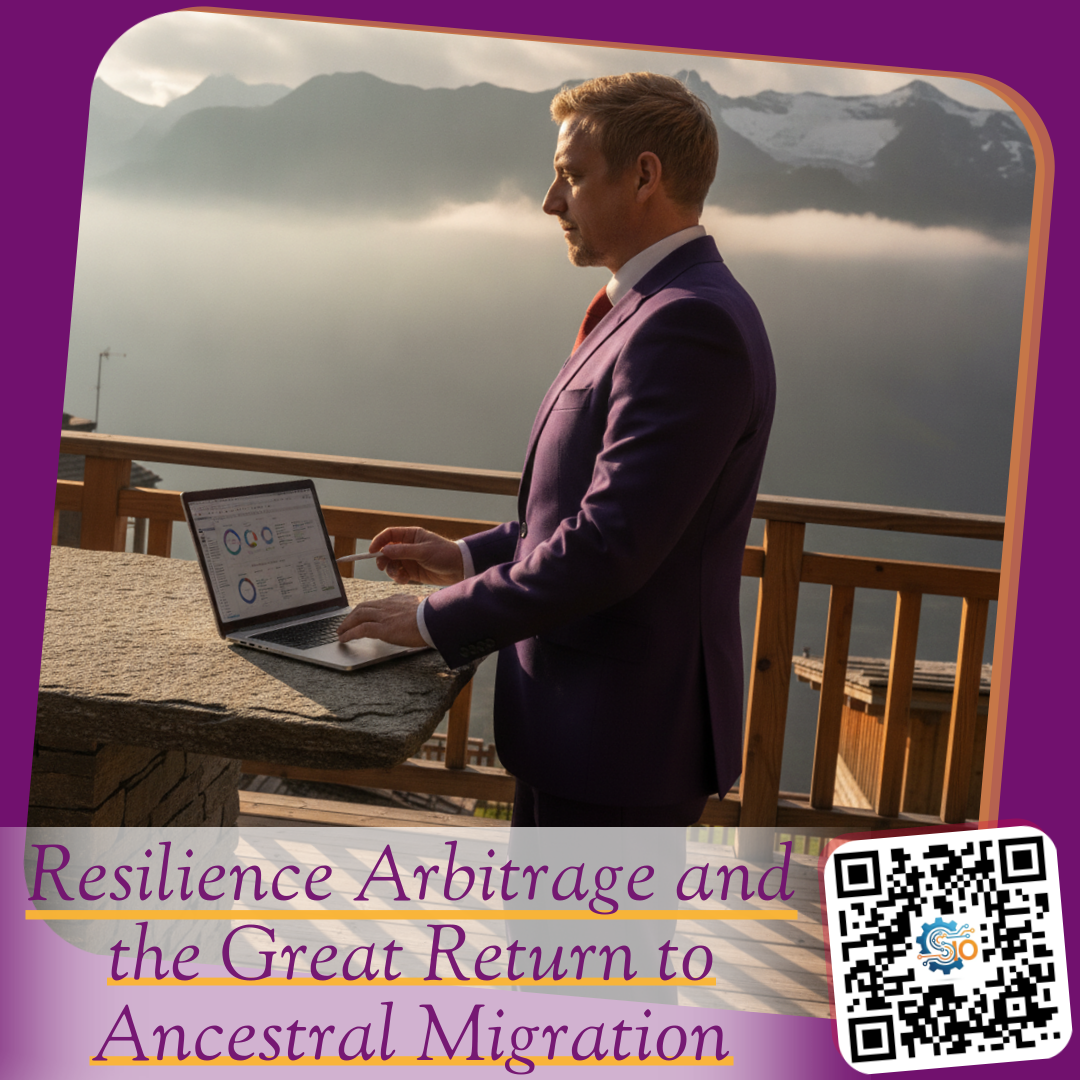
Good morning, my friends. I am writing to you today from my favorite corner of our Swiss chalet, watching the early September mist glide effortlessly over the mountain peaks. There is a crisp chill in the alpine air that always clarifies the mind. I have my morning espresso in hand, my golden shoes propped casually by the stone hearth, and my laptop humming quietly with global dispatches. If you have glance at the international news wire this week, you already know that the fragile veneer of modern convenience is peeling back faster than ever.
Across the British Isles, commercial aviation came to a virtual standstill due to yet another cascading air traffic control glitch. Thousands of travelers found themselves stranded on tarmacs in Dublin, Belfast, and London, staring blankly at departures boards flashing red. Meanwhile, off the rugged Scottish coast, a critical valve failure on a CalMac ferry triggered an uncontrolled escape of flammable gas, paralyzing island logistics. It feels like every mechanical joint of legacy infrastructure is groaning under fatigue.
When you pair that operational paralysis with headlines about twenty-seven-year-olds routinely drafting their last wills and testaments, or patients facing agonizing cancer treatment delays in state hospitals, a profound psychological shift becomes obvious. People are no longer waiting for centralized systems to fix themselves. Instead, an agile cohort of sovereign thinkers is actively practicing what I call resilience arbitrage, mapping out their lives along ancestral migration corridors where safety, sustenance, and autonomy actually exist.
The Cracks in the Centralized Illusion
For decades, society operated on an unwritten social contract. You gave up a bit of self-reliance, paid your taxes, bought your plane ticket, and trusted the centralized grid to feed you, move you, and heal you. Today, that arrangement is fraying at an alarming pace. When routine air traffic systems shut down across multiple borders over software bottlenecks, the illusion of effortless mobility shatters.
In our recent discussion, The Pixels and the Rubble: Surviving Modern Decay with Sovereign Clarity, we examined how modern digital efficiency often conceals physical decay. We live in an era where software interfaces look sleek and futuristic, yet the physical pipes, valves, and bureaucratic apparatus underneath are deteriorating. When twenty-something professionals are visiting estate attorneys to prepare for worst-case scenarios, they are not being morbid. They are simply acknowledging that the institutional safety net has frayed beyond recognition.
If you cannot rely on state medicine to treat a pressing health crisis without month-long delays, or count on a ferry to bring essential goods to your coastal town, relying purely on centralized institutions becomes a dangerous gamble. The solution is neither panic nor despair. The solution is mobility, diversification, and radical competence.
Walking in the Footsteps of Ancient Nomads
Fascinating archaeological research recently confirmed that the earliest known human settlers in Ireland did not arrive by sophisticated nautical fleets. They walked across a prehistoric limestone land bridge connecting Wales to the Irish coast. When ice sheets shifted and environments altered, ancient humans simply packed their essentials and migrated toward greener, safer pastures. They followed seasonal abundance, avoided environmental bottlenecks, and adapted without waiting for committee approval.
We are witnessing the digital-age revival of that exact nomadic impulse. Modern borders may be drawn on maps, but sovereign capital and forward-thinking individuals are rediscovering that geography is fluid. If one jurisdiction becomes choked with administrative red tape, crumbling transport, and prohibitive costs, you move your attention to places that offer real, tangible value.
We touched on this strategic mindset in European Tremors, Industrial Shifts, and Building Personal Sovereignty in Fractured Times, exploring how geographic flexibility protects your family from localized stagnation. Just as our ancestors crossed ancient plains to secure their future, modern nomads are calculating where their energy, health, and capital are treated best.
Caloric Safety and the Shetland Equation
Consider the growing fascination with caloric isolation. While mainstream wellness circles continue debating the virtues of heavily imported Mediterranean superfoods, a counter-movement is quietly thriving. People are deliberately pivoting to hyper-local, rugged diets sourced directly from places like the Shetland archipelago. Think wild-caught mackerel, nutrient-dense mutton, cold-hardy root crops, and seaweed harvested from pristine northern waters.
Why Shetland? Because extreme environments breed self-contained resilience. When you source your nutritional foundation from an isolated island culture that has weathered ferocious Atlantic storms for centuries, you decouple yourself from the delicate, just-in-time global food supply chain. Caloric security is the ultimate baseline of personal sovereignty. If your dinner relies on twelve international shipping hubs remaining glitch-free, you are far more vulnerable than you think.
By identifying local food pockets that produce dense nutrition regardless of global turmoil, you create an unshakeable foundation. It is an arbitrage of real calories over synthetic convenience, grounding your biology in natural stability.
Decentralized Health and the Tirana Alternative
A similar revolution is unfolding in personal healthcare. For years, medical tourism was viewed as an eccentric pursuit reserved for cosmetic touch-ups. Today, as public health waiting lists stretch into terrifying horizons across Western Europe, people are bypassing domestic systems altogether. Albania, particularly its vibrant capital of Tirana, has transformed into a booming European hub for high-quality dental and specialized medical care.
Patients who once faced months of administrative runaround at home are booking direct flights to Tirana, receiving world-class restorative procedures within forty-eight hours, and recuperating at boutique coastal retreats for a fraction of the domestic cost. This is medical arbitrage at its finest. You are not waiting for an overloaded national system to clear its backlog; you are taking control of your physical well-being through borderless initiative.
When you realize that your health, your smile, and your vitality do not have to be held hostage by your home postal code, your relationship with geography changes permanently. You realize that the entire world is an open marketplace of specialized solutions.
Fueling Freedom with Independent Digital Engines
Of course, orchestrating this kind of nomadic lifestyle requires an income engine that does not care where your physical boots are planted. You cannot spend a month sourcing clean food in the Scottish Isles or refreshing your health in the Balkans if your livelihood depends on punching a physical clock or answering to a rigid corporate campus.
This is why building an automated online business remains the single greatest sovereign asset of our century. When I set up high-converting marketing funnels, automated courses, and global digital delivery systems, I rely on tools that unify operations without requiring a massive engineering department. Platforms like Systeme.io allow entrepreneurs to manage their entire digital presence, from email newsletters to automated sales funnels, from anywhere in the world. Whether I am adjusting strategy from my chalet terrace or managing transactions from a Mediterranean café, that automated backend ensures total financial autonomy.
When your revenue flows smoothly through clean digital pipelines, you can look at sudden flight cancellations, municipal strikes, or institutional breakdowns without a shred of panic. You simply book a scenic alternate route, settle into a comfortable lounge, and keep building your legacy.
Building Your Personal Arbitrage Strategy
Surviving and thriving in an era of infrastructure decay does not require retreating into a bunker. It simply demands clear eyes, calculated moves, and the willingness to let go of outdated assumptions. If you want to build lasting resilience this autumn, start looking at your daily dependencies with complete honesty.
Ask yourself where your primary risks lie. Is your food supply entirely dependent on corporate supermarkets? Is your medical care chained to an overburdened public registry? Is your income tied to a single, fragile geographic location? Once you identify the bottlenecks, you can begin your own version of resilience arbitrage, step by deliberate step.
How resilient is your personal infrastructure against sudden systemic delays? What single geographic or lifestyle arbitrage could you explore this season to enhance your freedom?
I wish you all deep clarity, robust health, and joyful momentum on your journey. Let us continue this fascinating conversation across my social media channels, where we share daily updates on sovereign living, luxury travel, and digital independence.